OUR RESEARCH
Aging science,
across every scale.
A connected research program spanning cellular mechanisms, biological reserve, functional measurement, and technology development.
RESEARCH AREA 01
Mitochondria & angiotensin biology
How cellular signaling shapes aging.
We investigate how angiotensin signaling, mitochondrial function, and inflammation contribute to age-related changes in tissue function. The discovery of a functional mitochondrial angiotensin system provides a foundation for this work.
Mitochondrial signaling · Cellular energetics · Vascular aging
Explore the science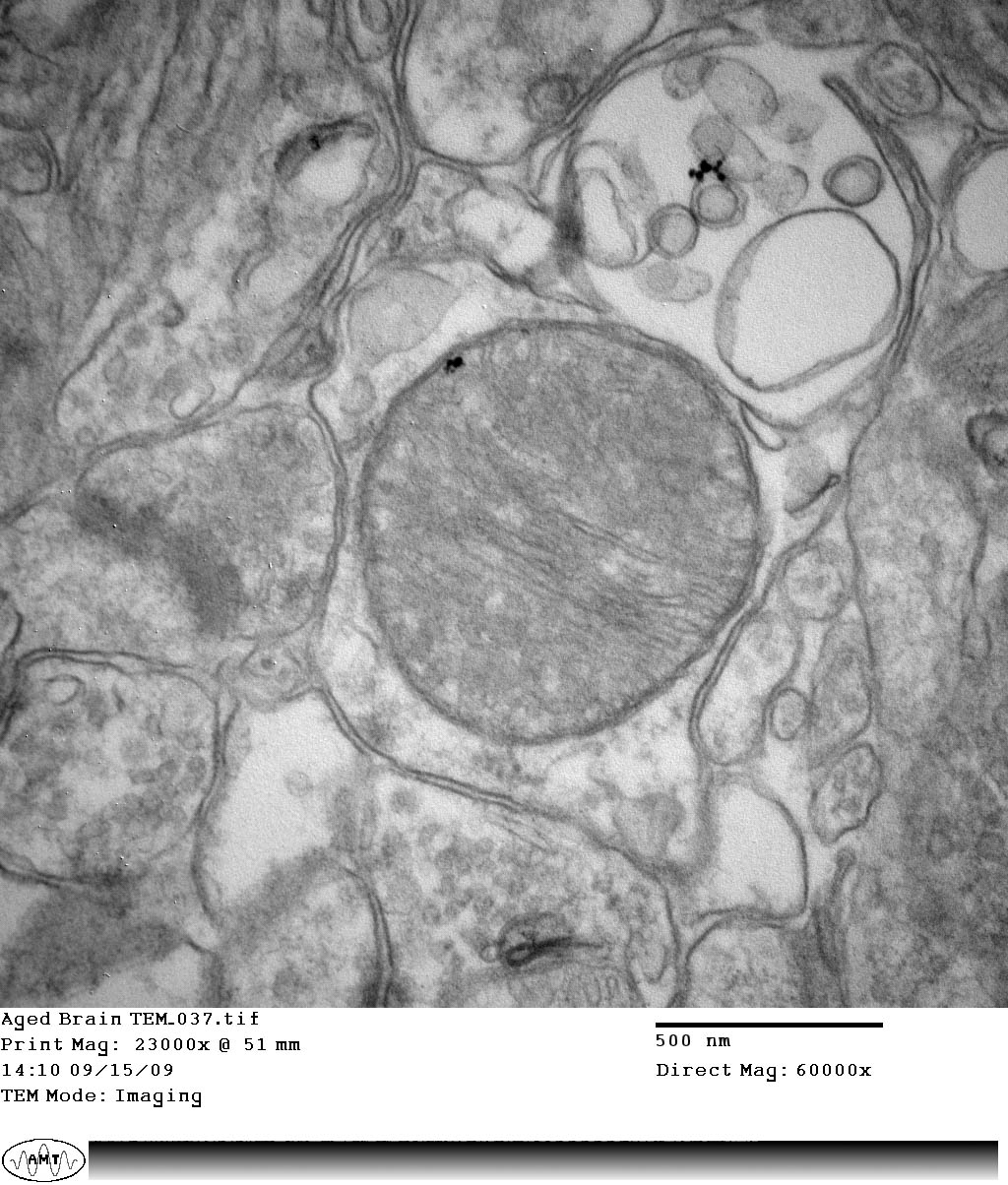
RESEARCH AREA 02
Molecular frailty & resilience
Understanding why vulnerability differs.
Frailty has many biological pathways. We study cell-free DNA, inflammatory signals, metabolism, and epigenetic markers alongside physical and cognitive function to investigate differences between people and identify candidate biomarkers.
Cell-free DNA · Molecular heterogeneity · Biological reserve
Explore the science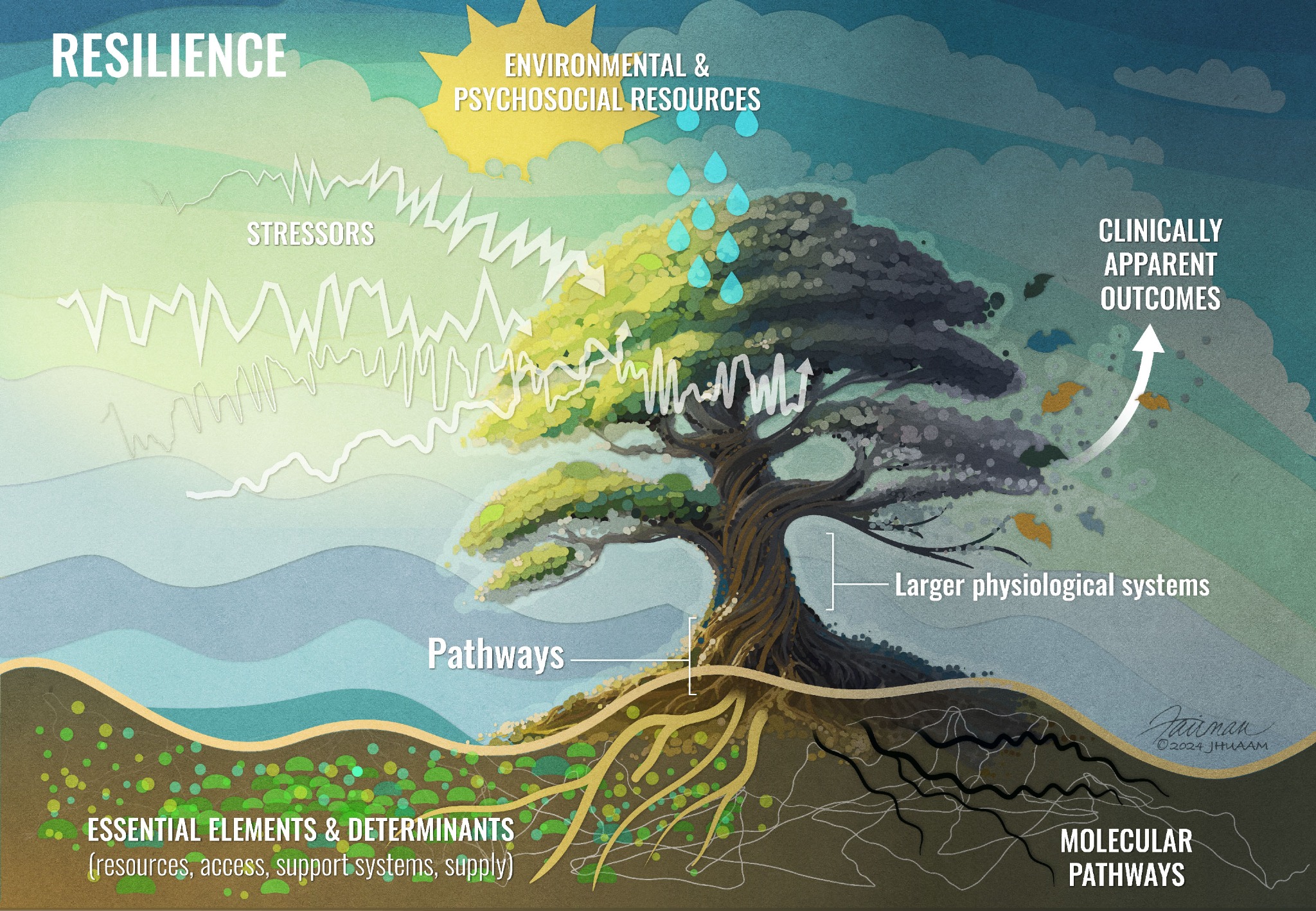
RESEARCH AREA 03
Inflammation & metabolism
Connecting immune signals with function.
Our research examines the kynurenine pathway, NAD biology, and metabolic changes associated with frailty. Laboratory models and human studies help us investigate how these pathways relate to energy, activity, and physical decline.
Kynurenines · NAD metabolism · Inflammatory pathways
Explore the science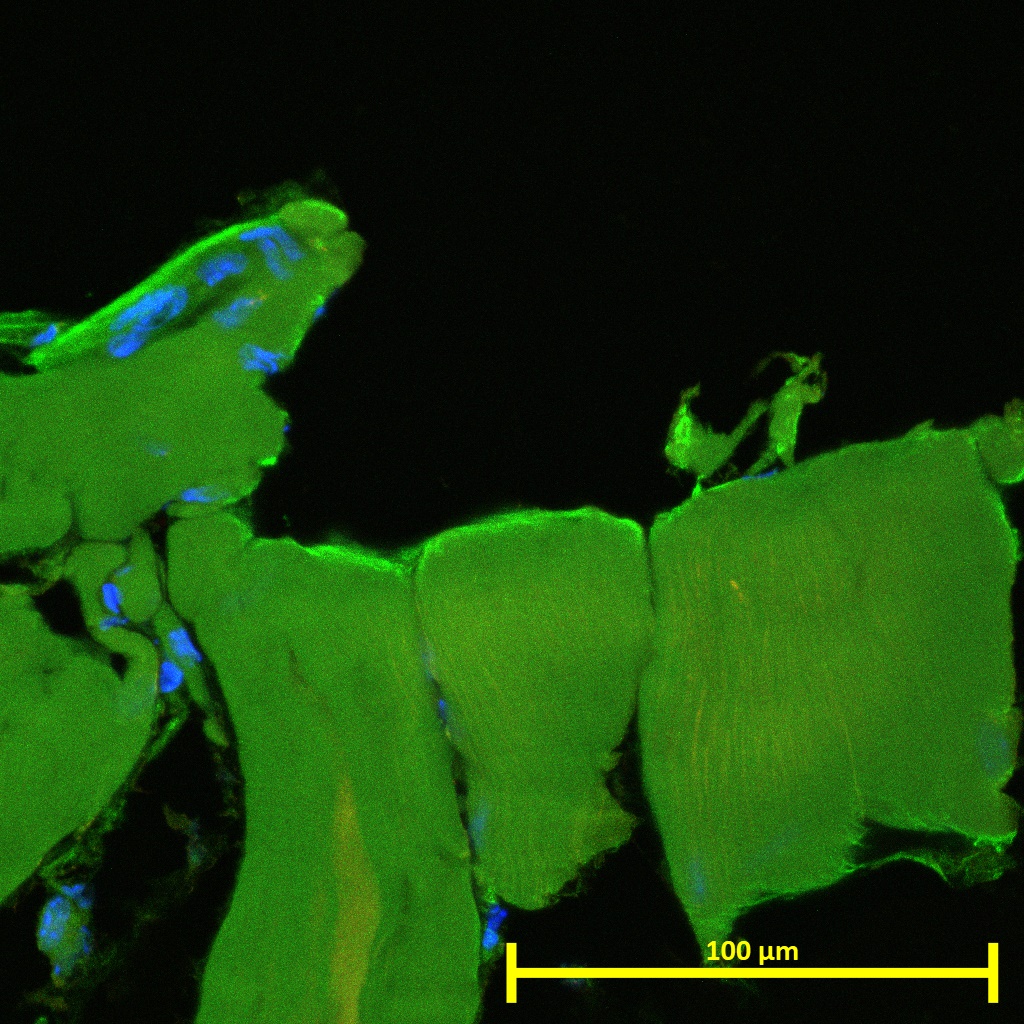
RESEARCH AREA 04
Therapeutics & tissue repair
Bringing molecular discoveries into experimental treatments.
We explore mitochondria-targeted delivery, angiotensin receptor blockers, nanofilaments, and hydrogel systems for tissue repair. Our tissue-repair and delivery studies use cell and animal models. Related early clinical work investigates physical function in prefrail adults.
Targeted delivery · Biomaterials · Wound healing
Explore the science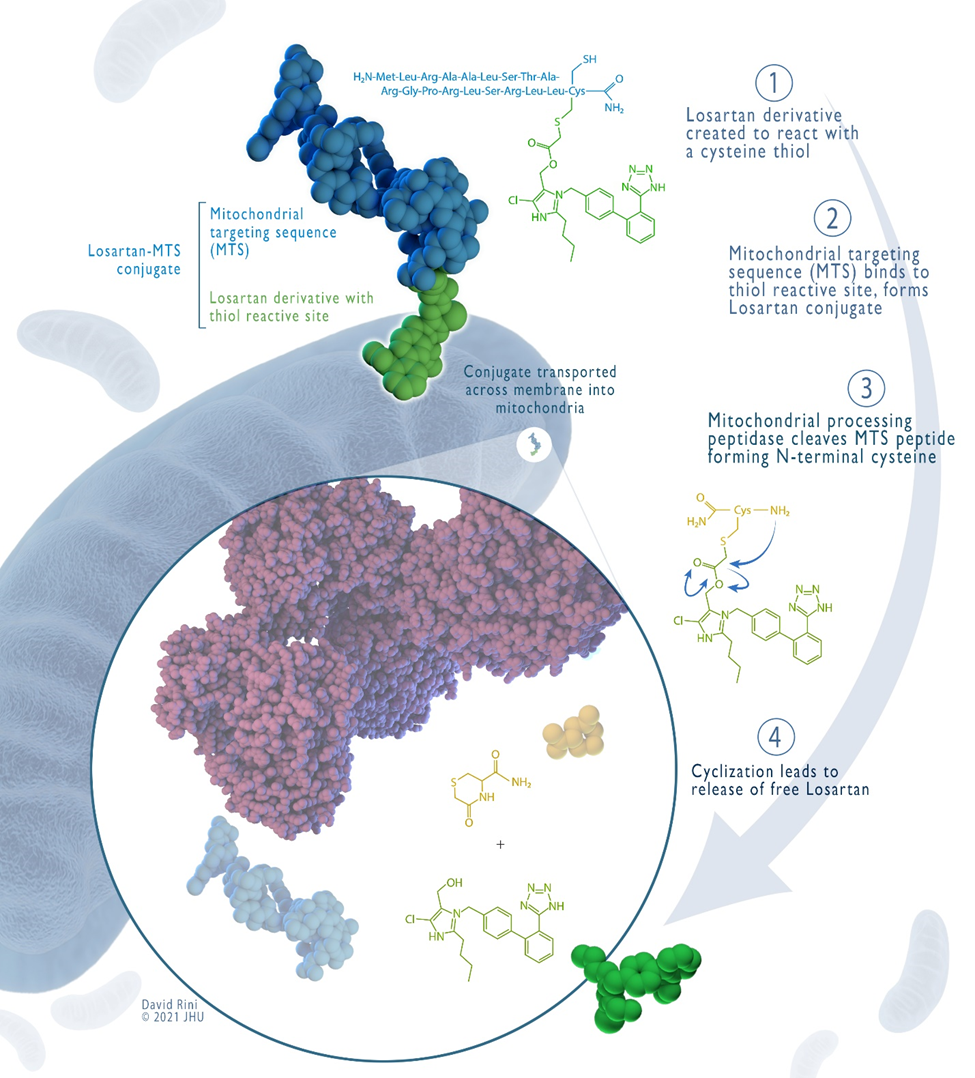
RESEARCH AREA 05
AI & digital biomarkers
Measuring function in new ways.
Speech, gait, handwriting, and eye movements can carry information about physical and cognitive function. We develop and evaluate approaches that combine these signals with molecular measurements, alongside research on bias and evaluation in medical AI.
Motion capture · Multimodal signals · Responsible AI
Explore the science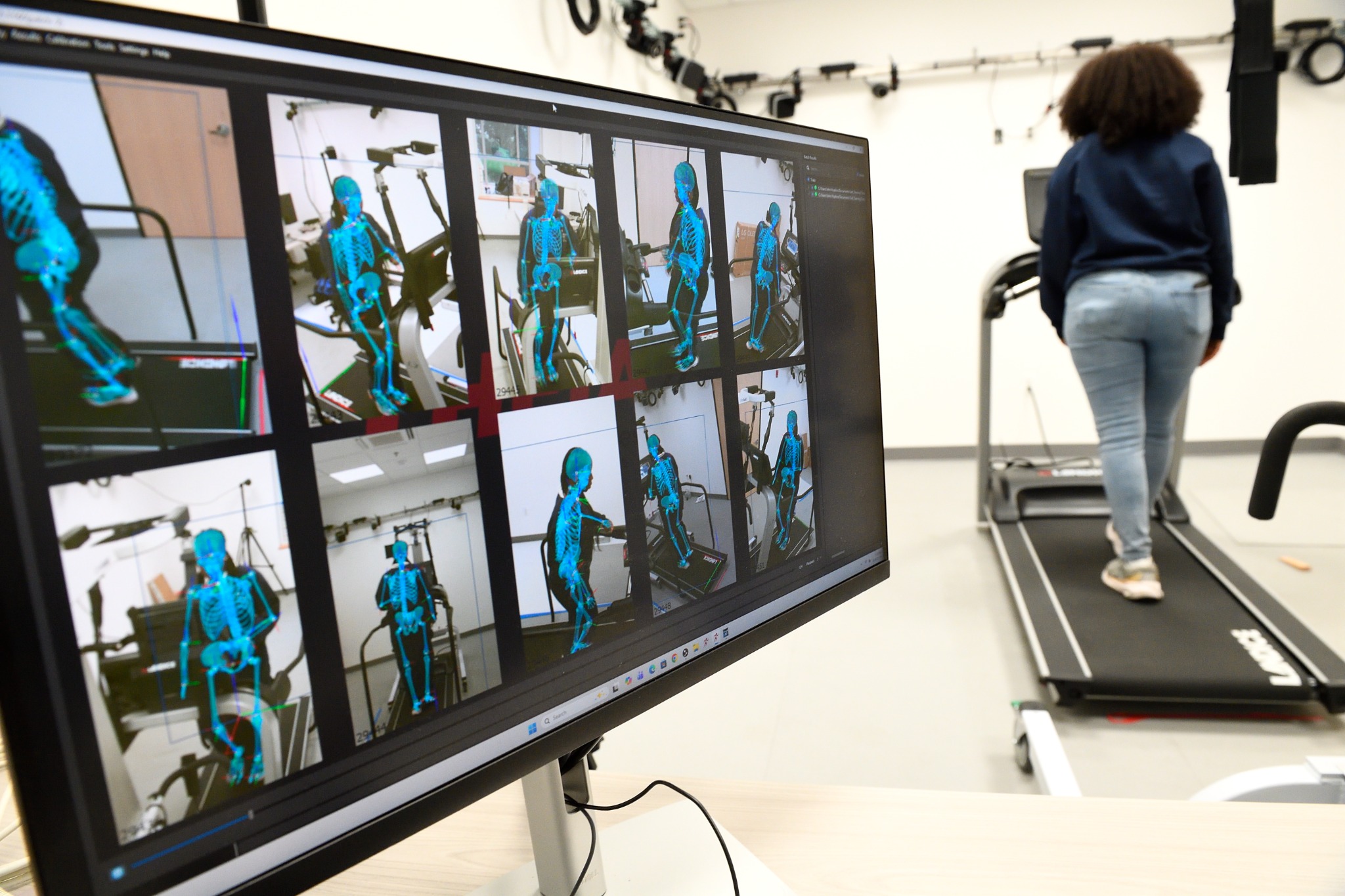
RESEARCH AREA 06
Engineering & clinical translation
Designing around the lives of older adults.
Through Geriatrics Engineering, the AITC, and GeroTech, we connect clinicians, engineers, researchers, older adults, and caregivers. These collaborations support prototyping, evaluation, and the practical work of translating research into useful technologies.
Prototyping · Clinical evaluation · Aging in place
Explore the science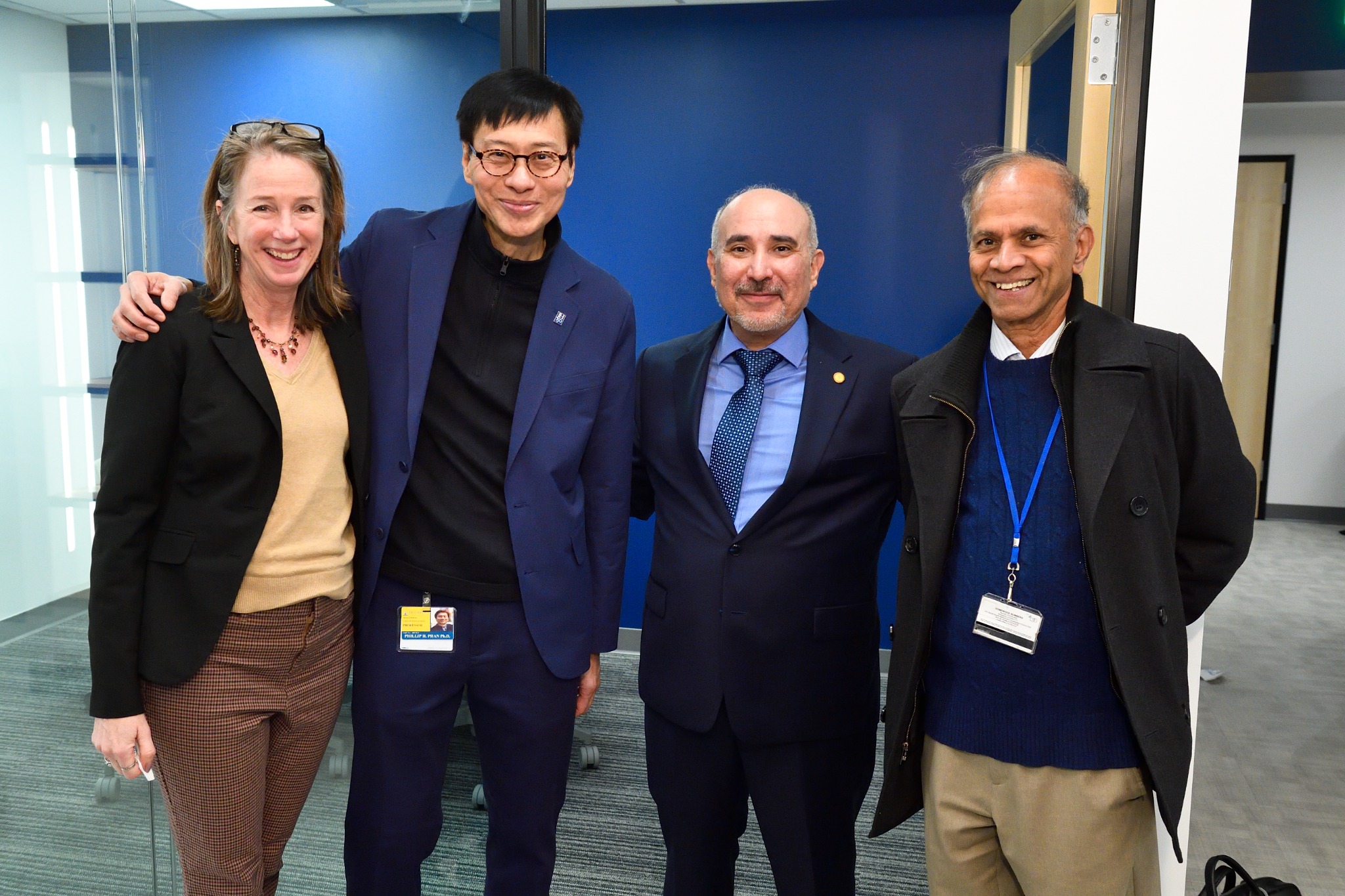
OUR APPROACH
Evidence at
each step.
Mechanisms generate questions. Clinical studies test their relevance. Engineering opens new ways to measure and intervene.
We distinguish laboratory findings, candidate biomarkers, early clinical studies, and validated applications. Our goal is to build the evidence needed for meaningful translation.
Read selected publications